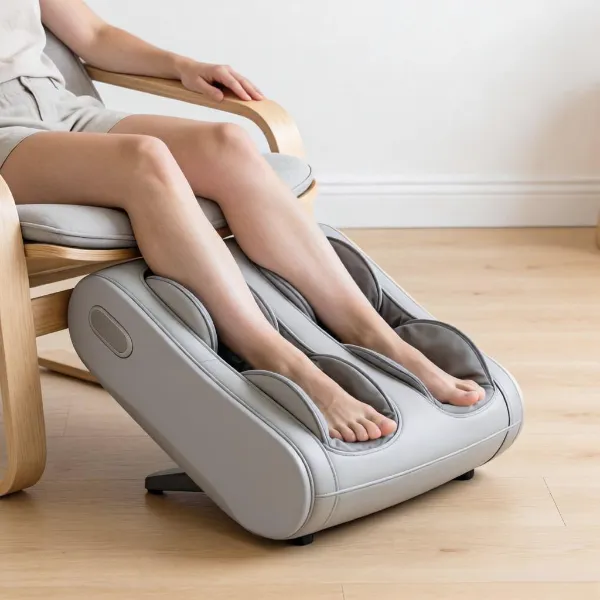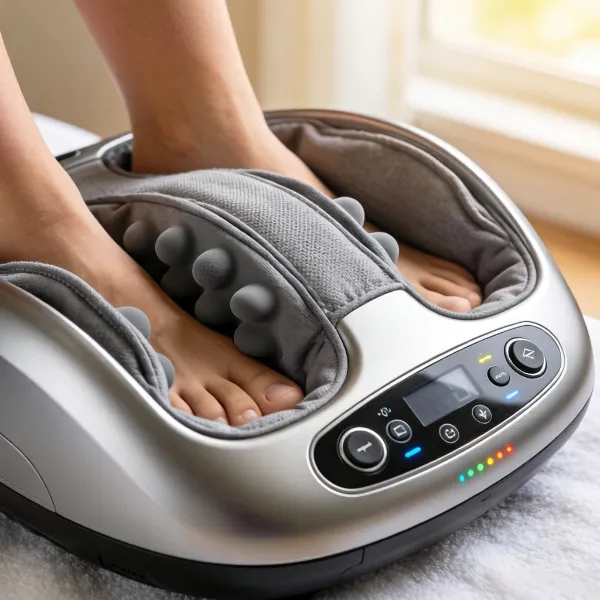
Muscle soreness after a massage is common, especially after a deep tissue or intense massage session. While it may feel uncomfortable, it's usually temporary and a sign that your muscles are responding to the pressure and movement.

Why Does Muscle Soreness Happen?
Deep Pressure Causes Tiny Muscle Tears
When your massage therapist applies deep pressure to your muscles, it can cause small micro-tears in the muscle fibers. This is similar to the process that happens after a tough workout. These tiny tears are part of the recovery process, and as the muscles heal, they may feel sore. Over time, this helps your muscles become stronger, but the soreness typically fades in 1 to 3 days.
Releasing Muscle Knots and Tension
Massages are great for releasing tension and muscle knots that can form from stress, poor posture, or repetitive movements. As your therapist works on these tight areas, the muscles are loosened, which can trigger a temporary soreness. It’s a sign that your muscles are adjusting and recovering from being in a contracted state. This discomfort should lessen in a few days as the muscles relax and adapt.
Blood Flow and Waste Removal
One of the main benefits of massage is increased blood circulation. As blood flow increases, it helps bring oxygen and nutrients to the muscles while flushing out waste products, like lactic acid. While this process is beneficial, it can also cause temporary soreness. Staying hydrated after your massage helps flush out these waste products and reduces discomfort.
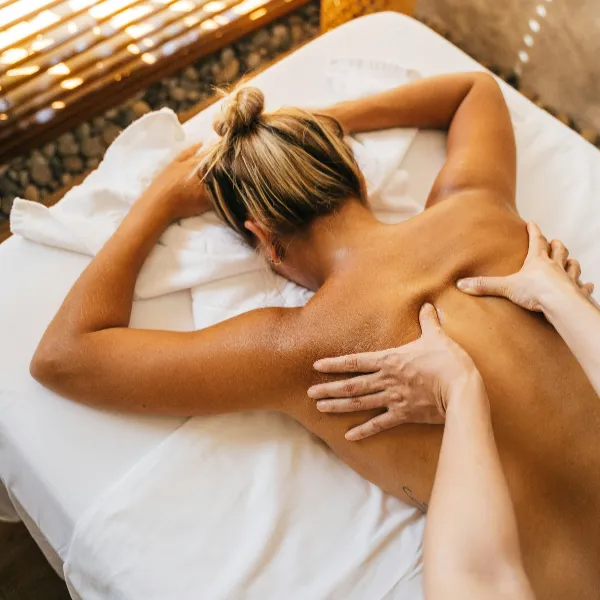
How to Relieve Sore Muscles After a Massage
If you're feeling sore after a massage, there are several ways to ease the discomfort and promote faster recovery. Here's what you can do:
Stay Hydrated to Flush Out Toxins
Drinking plenty of water is key to relieving soreness after a massage. Hydration helps your body flush out the waste products that are released during the session. The more hydrated you are, the easier it will be for your body to remove these toxins, which may help reduce soreness and inflammation.
Try Epsom Salt Baths for Relief
An Epsom salt bath can provide soothing relief for sore muscles. Epsom salts contain magnesium, which is known for its muscle-relaxing properties. Soaking in warm water with Epsom salts helps to ease muscle tension and inflammation, and the warmth helps increase blood flow to the sore areas. For the best results, add two cups of Epsom salt to a warm bath and soak for about 20 minutes.
Gentle Movement to Aid Recovery
While rest is important, staying still for too long can actually make your muscles stiffer. Gentle movement, such as light walking or stretching, can help improve circulation and reduce soreness. Avoid heavy exercise, but give your muscles a chance to recover through low-impact activities that promote healing.
Apply Heat to Soothe Pain
Applying heat to sore muscles can help relax the muscles and ease pain. You can use a heating pad, warm compress, or even take a warm shower. Heat encourages blood flow to the area, which can relieve discomfort and improve flexibility. Just be sure to apply heat for about 15-20 minutes at a time, and avoid using heat if the muscles are swollen or inflamed.
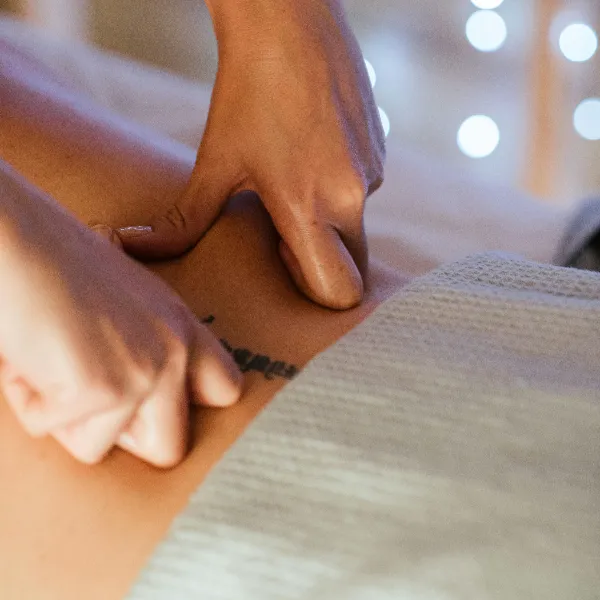
When to Seek Medical Help for Muscle Soreness
While soreness after a massage is usually normal, there are certain situations where you should consider seeking medical attention. If you notice any of the following, it’s important to consult a doctor:
Sharp Pain or Radiating Pain Down Limbs
If you experience sharp pain or pain that travels down your limbs (arms, legs, etc.) after a massage, this may indicate nerve involvement or an injury. This type of pain is not typical for post-massage soreness and should be evaluated by a healthcare professional as soon as possible.
Pain Lasting Longer Than 72 Hours
Muscle soreness typically resolves within 1-3 days. If your soreness persists for more than 72 hours or seems to be getting worse, it could indicate an underlying issue, such as an injury or overworked muscle. In this case, seeking medical advice is recommended to rule out any serious conditions.
Conclusion
Muscle soreness after a massage is a common and natural reaction, especially after deep tissue work or targeted massage techniques. It usually indicates that your muscles are healing and adapting to the treatment. With proper self-care, such as hydration, gentle movement, and applying heat, you can ease the soreness and speed up recovery. However, if you experience sharp or persistent pain, or if the soreness lasts for more than 72 hours, it’s important to seek medical help. Remember, a massage can be a great tool for relaxation and muscle recovery, but taking care of your muscles afterward can ensure that you feel your best.