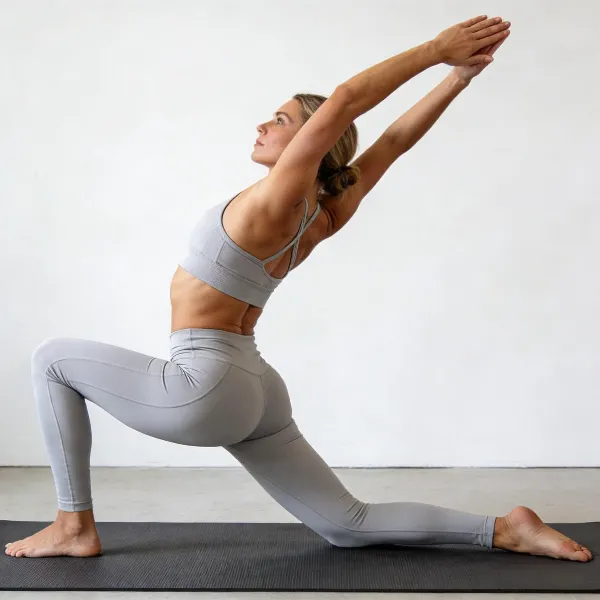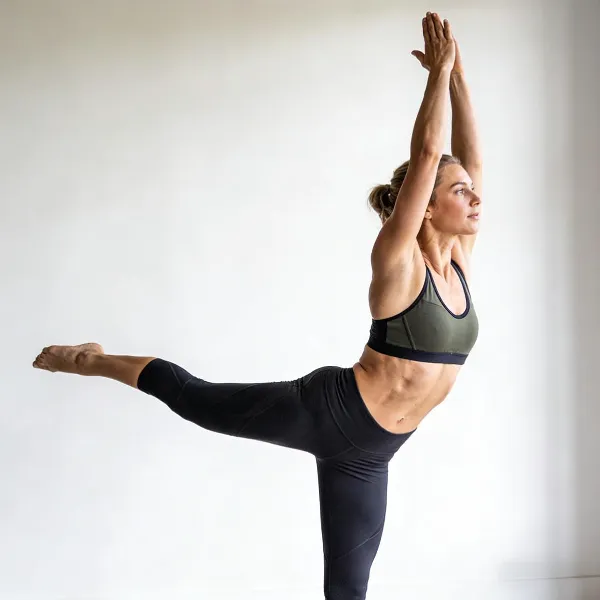
Muscle soreness is something nearly everyone experiences after a workout, physical activity, or even just from everyday movement. So, does massaging sore muscles actually help? In this article, we'll explore how massaging sore muscles can reduce pain, speed up recovery, and improve flexibility. Plus, we'll share the best techniques and tips to make your massage sessions more effective.
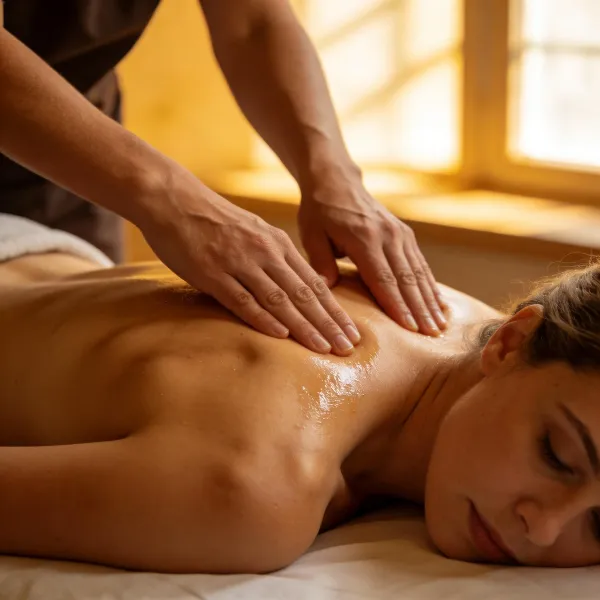
Is It Safe to Massage Sore Muscles?
While massaging sore muscles can bring a lot of relief, it's essential to know when and how to do it safely. Here are a few guidelines to ensure you get the most benefit:
- Avoid massaging injured muscles: If you've injured a muscle—such as a tear or strain—massage may make it worse. Wait until the injury has healed before massaging the area.
- Use gentle pressure: Too much pressure on a sore muscle can increase pain or cause discomfort. Stick to a lighter touch if your muscles are just a little sore.
- Consult a professional: If you're unsure about massaging your muscles, or you're dealing with chronic pain, it might be worth seeking advice from a professional massage therapist. They can recommend the best techniques for your specific situation.
By keeping these safety tips in mind, you can enjoy a soothing massage that helps you recover without causing additional problems.
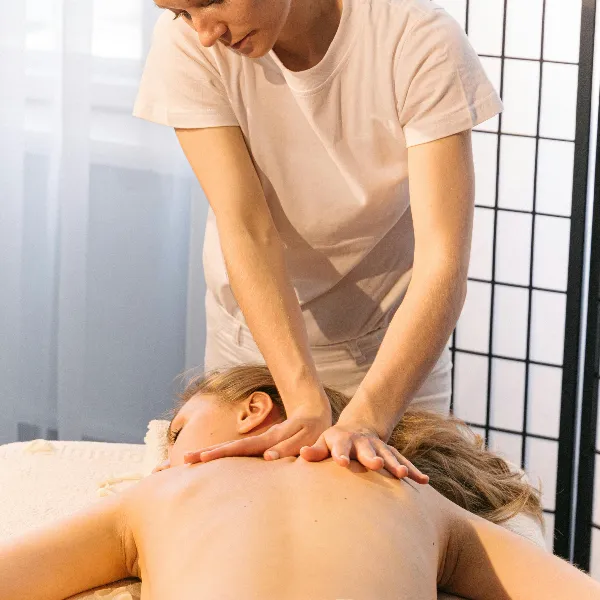
How Massaging Sore Muscles Helps Recovery
Massage therapy can be a game changer when it comes to muscle recovery. Here's how it can benefit your muscles and your overall well-being:
Reduces Pain and Soreness
Massaging sore muscles can help reduce pain by boosting blood flow to the affected area. This increased circulation brings oxygen and nutrients that help your muscles heal faster. Plus, massage triggers the release of endorphins—your body's natural painkillers—helping to ease discomfort and promote relaxation.
Speeds Up Recovery
Massage doesn't just relieve pain; it can actually speed up the recovery process. By encouraging lymphatic drainage, massage helps flush out waste products like lactic acid, which build up in muscles after intense exercise. This helps your muscles recover more quickly and get back to peak performance faster.
Reduces Inflammation
Sometimes, overexerting muscles can lead to inflammation, which makes them feel stiff and sore. Massage helps reduce swelling by promoting better fluid circulation, reducing the pressure that inflammation creates. If you deal with ongoing muscle tightness or soreness, a regular massage can help keep inflammation in check.
Improves Flexibility and Range of Motion
Another great benefit of massage is its ability to improve flexibility. By relaxing tight muscles and breaking up adhesions (small areas where muscle fibers stick together), massage helps improve range of motion. Over time, this can help you move more freely, reducing stiffness and promoting better overall mobility.
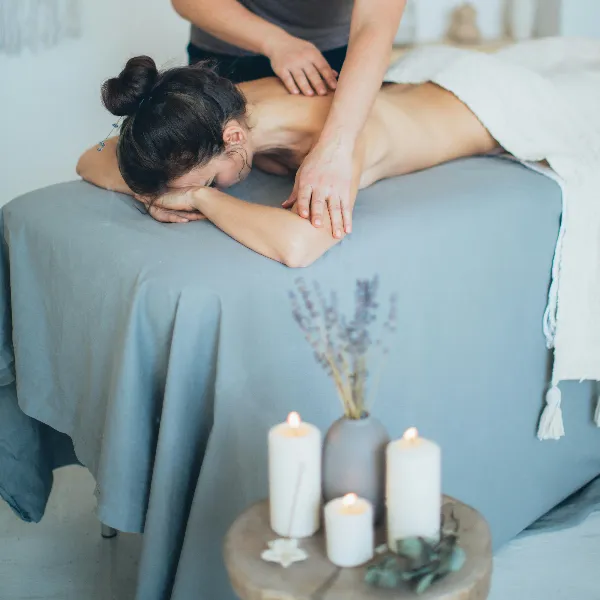
Best Massage Techniques for Muscle Pain Relief
There are several types of massage techniques, each with its own benefits for muscle pain relief. Here are a few of the best techniques you can try:
Deep Tissue Massage
Deep tissue massage focuses on the deeper layers of muscle and connective tissue. It's especially effective for chronic pain, tight muscles, and muscle knots. By applying firm pressure, this technique works to break up tension and improve muscle function. If you have persistent soreness or tightness, deep tissue massage may be exactly what you need.
Swedish Massage
Swedish massage is one of the most popular techniques for overall relaxation and muscle relief. It involves long, smooth strokes that help to improve blood circulation and reduce muscle tension. If your muscles are mildly sore and you’re looking for a relaxing experience, Swedish massage is a great choice.
Percussion Therapy (Massage Guns)
Percussion therapy, also known as using a massage gun, is a newer and increasingly popular way to relieve muscle soreness. This technique uses fast, rhythmic movements to target specific areas of muscle tension. It's especially effective for relieving tightness and stiffness, and it’s easy to do at home. If you've ever used a massage gun, you know just how effective it can be for speeding up recovery after a workout.
Tips for Maximizing Muscle Massage Effectiveness
To make the most out of your muscle massage, keep these helpful tips in mind:
Ideal Timing
When it comes to massaging sore muscles, timing is everything. For best results, wait at least 24 to 48 hours after intense physical activity before getting a massage. This gives your muscles a chance to heal naturally before you focus on relieving soreness. However, if you're using a lighter technique like Swedish massage or a massage gun, you can start earlier.
Appropriate Pressure
The pressure you apply during a massage can significantly impact its effectiveness. If you're dealing with mild soreness, gentle pressure may do the trick. But for more intense soreness or deeper muscle tightness, a firmer touch might be needed. Pay attention to how your body responds, and adjust the pressure accordingly. And don’t be afraid to let your massage therapist know if the pressure is too much or not enough.
Communicating with Your Therapist
Clear communication with your massage therapist can make all the difference in your massage experience. Be upfront about any specific areas that are especially sore or tight, and let them know what kind of pressure feels most comfortable for you. This ensures that you get the best results for your body and your needs.
Conclusion
So, does massaging sore muscles help? The answer is a definite yes! Whether you’re looking to reduce pain, speed up recovery, or improve flexibility, massage therapy can be a powerful tool in your muscle recovery routine. Just remember to follow safety guidelines, choose the right techniques, and communicate effectively with your therapist to get the most out of your massage.