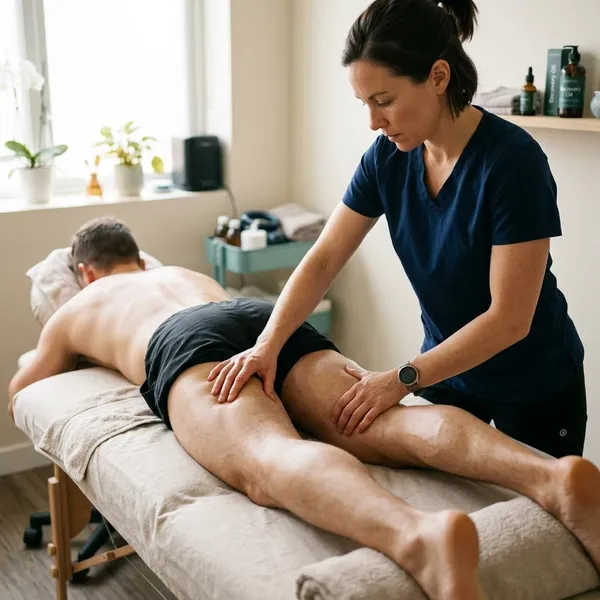
A pulled muscle can cause significant discomfort, and you may wonder if massaging it will help speed up recovery. But when is it actually safe to massage a pulled muscle? In this guide, we'll walk you through the best times to massage a pulled muscle, the techniques you should use, and other helpful treatments to aid your recovery.
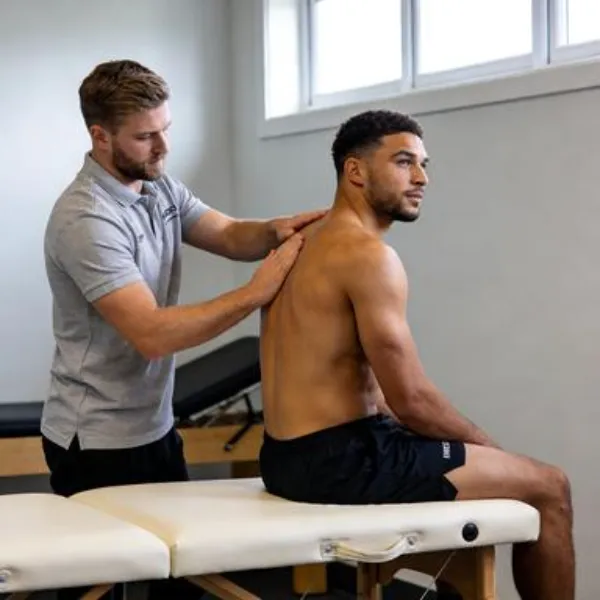
When to Avoid Massaging a Pulled Muscle
Massage can be incredibly effective for muscle recovery, but there are times when it's better to hold off. Here are the situations where you should avoid massaging a pulled muscle:
First 48-72 Hours
During the first 48 to 72 hours after a muscle pull, it's best to let your muscle rest. Massage during this period can actually make things worse, increasing inflammation and slowing down the healing process. Rest and ice are your best friends during the first few days.
Inflammation and Swelling
If the injured muscle is swollen or inflamed, massaging it may make the swelling worse. While increased circulation from massage can be helpful later on, during the swelling phase, it can lead to more discomfort and delay your recovery.
Severe Pain or Injury
If you're experiencing sharp or severe pain, this could signal a more serious injury, such as a muscle tear or strain. Massaging at this point could do more harm than good. It's important to seek medical advice before trying to massage or move the injured muscle.
When Is It Safe to Massage a Pulled Muscle?
Once the initial phase of healing is complete, massage can be a great tool to help you recover. Here's when you can safely begin massaging a pulled muscle:
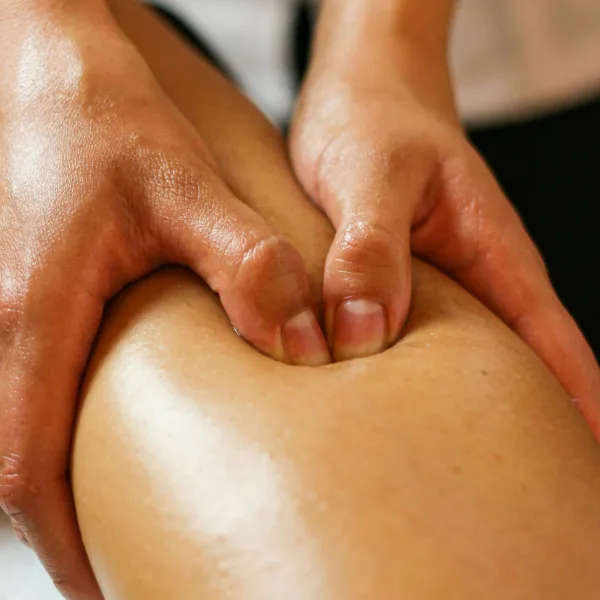
After 72 Hours of Rest
After the first 72 hours of rest, your muscle should be in a better state for light massage. At this stage, the worst of the inflammation has usually passed, and gentle massage can help improve circulation, which supports the healing process.
Once Swelling Subsides
If the swelling has gone down and the muscle isn't as tender, it's typically safe to introduce massage. At this point, your muscle is ready for some light manipulation, which can help relax the tissue and speed up recovery.
When the Pain Is Manageable
If the pain has become manageable (nothing sharp or unbearable), you can start massaging the muscle. Always start gently to assess how the muscle responds to touch before applying deeper pressure.
Effective Massage Techniques for Muscle Strains
When it's safe to massage a pulled muscle, the technique you use matters. Here are a few methods that can help you recover effectively:
Gentle Strokes and Light Pressure
Start with light pressure and gentle strokes. This helps stimulate blood flow to the injured area without putting too much strain on it. Avoid using deep pressure during the early stages of recovery.
Deep Tissue Massage for Later Stages
Once the muscle is healing, you can try deep tissue massage. This technique is especially helpful for breaking down scar tissue and releasing deeper muscle tension. Make sure you go to a professional if you're unsure about how to apply this technique properly.
Reducing Stiffness and Scar Tissue
Massage can also help reduce stiffness and scar tissue buildup in the muscle. Over time, scar tissue can restrict movement, and massage helps break it down, improving flexibility and range of motion.
Additional Treatments to Complement Massage
Massage is a great tool in the recovery process, but it works even better when combined with other treatments. Here are some additional methods to enhance your muscle recovery:

The RICE Protocol
In the first few days of recovery, follow the RICE protocol (Rest, Ice, Compression, Elevation). Ice helps reduce swelling, while rest allows the muscle to heal. Compression and elevation can also support these efforts, helping the muscle recover more quickly.
Stretching and Strengthening Exercises
Once the muscle starts to feel better, stretching and strengthening exercises can aid in your long-term recovery. Stretching keeps the muscle flexible, and strengthening exercises build the surrounding muscle to prevent future injuries.
Professional Physical Therapy
If you're struggling to recover or dealing with persistent pain, physical therapy can be a game-changer. A physical therapist can provide you with a tailored treatment plan, including exercises to strengthen the muscle and restore its full function.
Conclusion
So, should you massage a pulled muscle? It's generally safe to massage a pulled muscle after the first 72 hours, once the swelling goes down and the pain becomes manageable. When done right, massage can help speed up recovery, reduce stiffness, and prevent future injuries. However, make sure to combine massage with other treatments, like the RICE protocol, stretching, and strengthening exercises, for the best results. If you're unsure about any part of the recovery process, don't hesitate to consult with a healthcare professional for guidance.