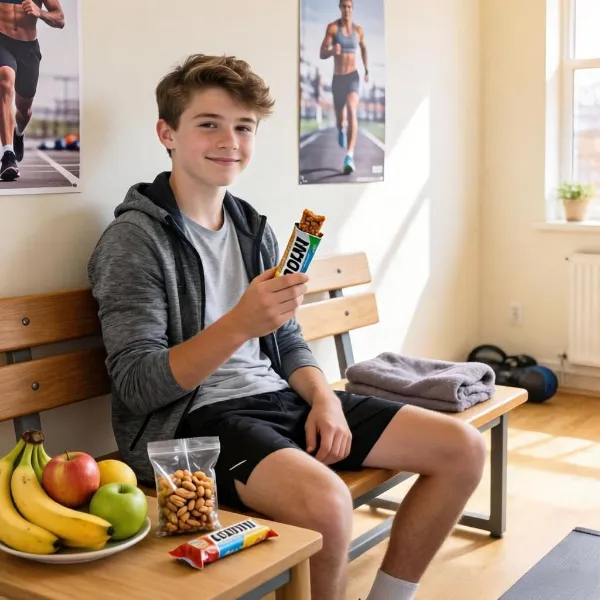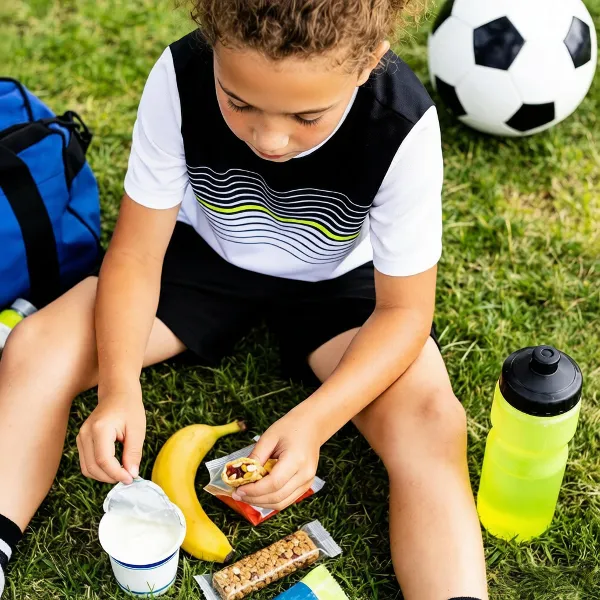
Getting the right nutrition before and after sports can make a big difference in how well you perform and recover. Whether you’re hitting the gym, going for a run, or doing an intense workout, eating the right foods is key to fueling your body. This guide will show you the best nutrition food before and after sports to boost your energy and recovery.
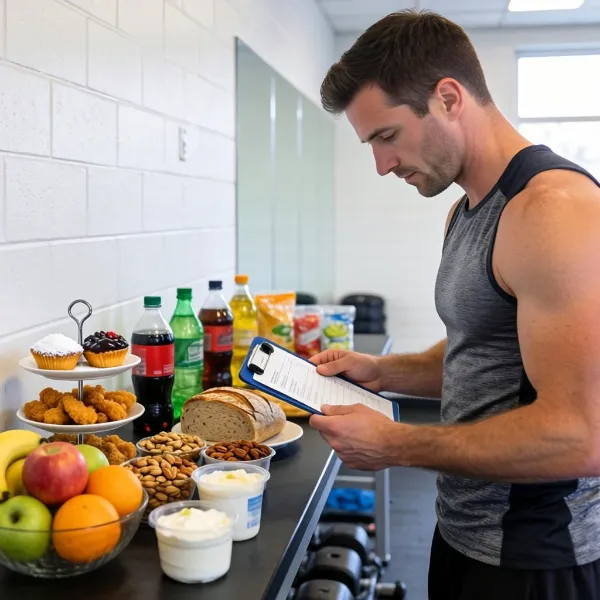
Best Foods to Eat Before and After Sports
Eating the right foods before and after a workout helps you perform at your best and recover more quickly. Here’s a breakdown of what to eat for optimal performance.
Pre-Workout Carbs for Energy
Carbs are your body’s primary energy source during exercise. Eating carbs before a workout gives you the fuel you need to power through. Here are some great pre-workout carb options:
- Bananas: High in potassium, bananas provide a quick source of energy that’s easy on your stomach.
- Oatmeal: A great source of complex carbs, oatmeal offers a steady release of energy throughout your workout.
- Whole-grain toast: With a little nut butter, this is an excellent combination of carbs and healthy fats.
- Sweet potatoes: Packed with vitamins and slow-digesting carbs, sweet potatoes provide long-lasting energy.
These foods will ensure your muscles have enough glycogen (carbohydrate storage) to keep you going through your workout.
Post-Workout Protein for Muscle Repair
After exercise, your muscles need protein to recover and rebuild. Protein is essential for muscle repair and growth, so include these protein-packed foods post-workout:
- Greek yogurt: Full of protein and probiotics, Greek yogurt helps muscle recovery and supports digestion.
- Grilled chicken: A lean protein source that’s easy to cook and full of nutrients.
- Eggs: Packed with amino acids, eggs help rebuild muscle fibers.
- Protein shakes: If you're in a rush, protein shakes are a convenient and effective way to get the protein you need.
Incorporating protein in your post-workout meal speeds up recovery and reduces muscle soreness.
Easy-to-Digest Snacks
If you need a quick snack before or after exercise, go for something light and easy to digest. These snacks won’t weigh you down and will keep your energy up:
- Smoothies: Blend fruits, protein powder, and almond milk or water for a fast, nutrient-packed drink.
- Rice cakes: These light snacks are easy on your stomach and can be topped with peanut butter for an added protein boost.
- Trail mix: A mix of nuts, seeds, and dried fruit offers a good balance of carbs and protein.
These snacks give you the energy boost you need without making you feel heavy.
Hydration for Recovery
Staying hydrated is just as important as eating the right foods. Proper hydration helps regulate body temperature, replace lost electrolytes, and prevent muscle cramps. Here’s what to drink:
- Water: The simplest and most effective way to stay hydrated.
- Sports drinks: These can be helpful for longer or intense workouts as they replenish electrolytes.
- Coconut water: A natural alternative to sports drinks, packed with potassium to keep you hydrated.
Hydration is crucial for a smooth recovery, so drink plenty of water before, during, and after your workout.
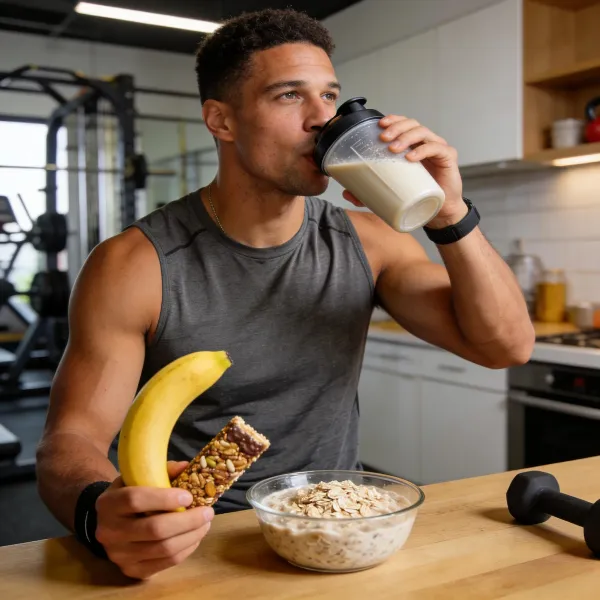
Foods to Avoid Before Sports
Certain foods can make your workout harder and less effective. Avoid these foods to keep your energy levels up and your performance strong.
High-Fat Foods
Fatty foods are slow to digest and can leave you feeling sluggish. They also require more energy to break down, which can take away from your workout. Avoid:
- Fried foods: Things like fried chicken or French fries are high in fat and can make you feel weighed down.
- Fatty meats: Meats like bacon or sausage are harder to digest and can cause discomfort during exercise.
Instead, stick to lean proteins like chicken breast or turkey, which are easier on your stomach and provide steady energy.
Sugary Snacks
Sugary foods might give you a quick burst of energy, but they often lead to a crash, which can make your workout suffer. Avoid these sugary snacks:
- Candy: While candy offers a quick sugar boost, it can also cause blood sugar levels to spike and drop rapidly.
- Pastries: Items like donuts or pastries may taste good but are packed with sugar and fats that can slow you down.
Go for whole fruits or complex carbs instead. They’ll give you longer-lasting energy without the crash.
Heavy Meals
Heavy meals can make you feel sluggish and bloated, which can negatively impact your workout. Avoid eating large meals right before exercise, as they can take longer to digest and cause discomfort. Instead, eat something lighter 1-2 hours before your workout, like a small sandwich with lean protein or a salad with veggies and quinoa.

Foods to Avoid After Sports
Post-workout nutrition is just as important as what you eat before exercise. But consuming the wrong foods after working out can undo your hard work. Be mindful of these foods:
Processed Foods
Processed foods are high in unhealthy fats, sugars, and preservatives, and offer little nutritional value. They won’t help your recovery and may even slow it down. Avoid:
- Fast food: Burgers, fries, and other fast food options are loaded with unhealthy fats and salt that hinder muscle repair.
- Packaged snacks: Chips, cookies, and other packaged foods don’t provide enough nutrition to help with recovery.
Focus on whole foods like lean meats, vegetables, and whole grains for better recovery.
Excessive Caffeine
While a small amount of caffeine can help you stay alert before a workout, too much after exercise can dehydrate your body and interfere with recovery. Avoid consuming large amounts of caffeine in coffee, energy drinks, or sodas post-workout.
Alcohol
Drinking alcohol after exercise can have negative effects on your recovery. Alcohol dehydrates your body, reduces protein synthesis, and can interfere with sleep—all of which are important for muscle recovery. It’s best to avoid alcohol right after a workout.
Example Nutrition Plans for Different Workout Times
What you eat before and after a workout may change depending on the time of day. Here are sample nutrition plans for morning and evening workouts:
Morning Workout Plan
A morning workout needs a light but energizing breakfast. Here’s an example:
- Pre-workout: A banana with a handful of almonds or a small bowl of oatmeal.
- Post-workout: A protein smoothie made with protein powder, almond milk, and berries.
This plan gives you energy for your morning workout and helps with muscle recovery after.
Evening Workout Plan
Evening workouts need a balance of carbs for energy and protein for muscle recovery overnight. Here’s a sample plan:
- Pre-workout: Whole-grain toast with peanut butter and a side of fruit.
- Post-workout: Grilled chicken with quinoa and steamed vegetables, plus a side of Greek yogurt.
This plan helps you power through your evening workout and provides the nutrients needed for recovery overnight.
Conclusion
The best nutrition food before and after sports plays a huge role in your performance and recovery. By fueling your body with the right balance of carbs, protein, and hydration, you can improve your workouts and recover more effectively. Whether you're just starting or you're an experienced athlete, the right nutrition is key to reaching your fitness goals.