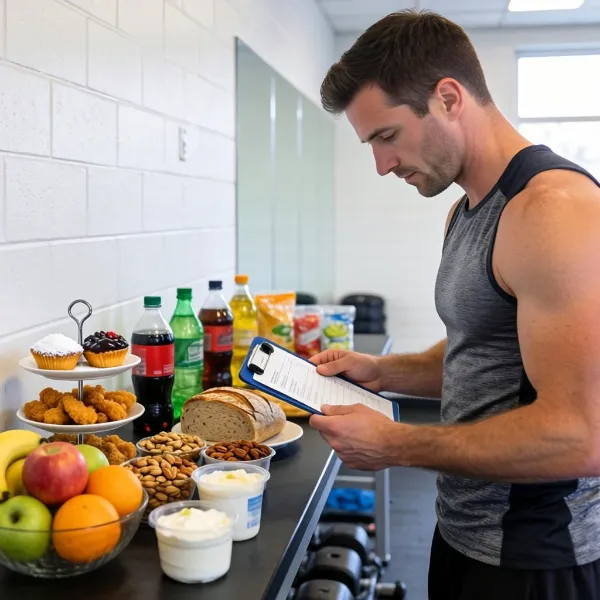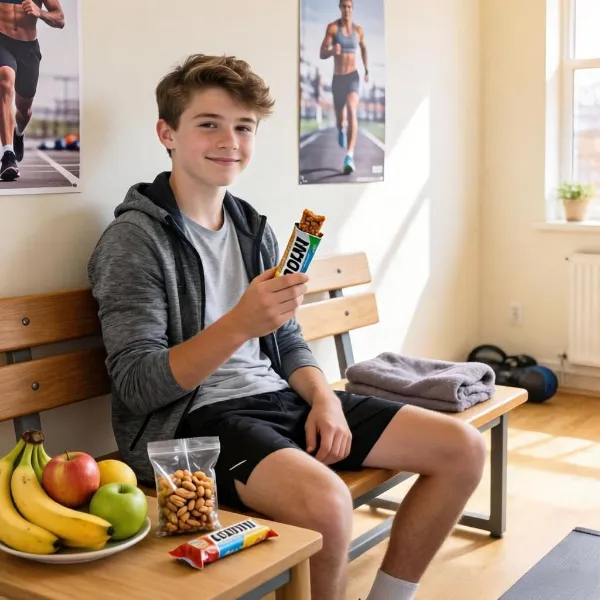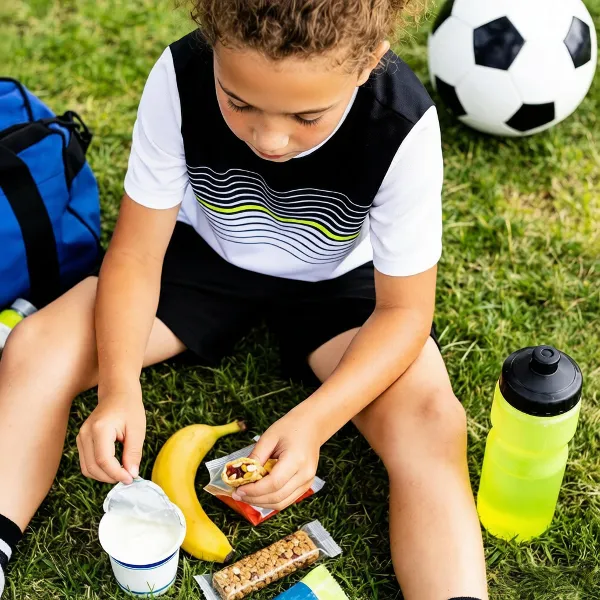
After a workout, your body is primed for recovery. However, eating the wrong foods can slow down the healing process and even make you feel worse. In this guide, we’ll look at the foods you should avoid after exercise and why they can hinder your recovery efforts. Make sure you’re fueling your body with the right nutrients to get back in action faster.
Foods to Avoid After Sports
What you eat after exercise plays a big role in how quickly your body recovers. Certain foods can get in the way of your body’s repair processes, leaving you feeling sluggish or even dehydrated. Let’s dive into the foods to steer clear of after exercise.
Fried and Fatty Foods
Fried and greasy foods might be tempting after a workout, but they can delay recovery and make you feel tired. While fats are an important part of your diet, too much unhealthy fat right after exercise can slow digestion and make it harder for your body to absorb essential nutrients.
- Why avoid them: Fried foods are loaded with unhealthy fats that can increase inflammation. After exercising, your muscles are already inflamed and need quick absorption of nutrients. High-fat foods slow down this process, making recovery longer.
- Examples to avoid: French fries, fried chicken, greasy burgers, and other fast-food items loaded with unhealthy fats.
Sugary Snacks and Drinks
Sugary treats may seem like a quick fix for low energy, but they can be detrimental to your recovery. Foods high in sugar cause your blood sugar to spike and then crash, which can leave you feeling sluggish later on.
- Why avoid them: Sugar-heavy foods can cause your blood sugar levels to fluctuate rapidly, which impacts your energy levels and overall recovery. Instead of providing steady energy, they lead to crashes that make you feel tired and drained.
- Examples to avoid: Soda, candy bars, pastries, and sugary energy drinks.
Processed Snacks
Processed foods, like chips, cookies, and packaged snacks, are often loaded with unhealthy fats, sugars, and excess salt. Though they might be convenient, they don’t offer the nutrients your body needs after a workout to properly recover.
- Why avoid them: These foods are usually low in protein, fiber, and essential vitamins, which your body needs to repair muscles and replenish energy stores. They can also increase inflammation, which slows down the healing process.
- Examples to avoid: Potato chips, cookies, packaged crackers, and pre-made meals.
Alcohol
While a cold beer or glass of wine might sound good after a workout, it’s best to skip the alcohol if you want a quick recovery. Alcohol can dehydrate you and interfere with muscle repair and energy replenishment.
- Why avoid it: Alcohol is a diuretic, meaning it makes you urinate more, which can lead to dehydration. Dehydration impedes muscle recovery, increases fatigue, and can even lead to cramps. Alcohol also interferes with protein synthesis, making it harder for your body to repair muscles.
- Examples to avoid: Beer, wine, cocktails, and spirits.
Excessive Caffeine
Caffeine can be a helpful boost during your workout, but after exercise, it can hurt your recovery if consumed in excess. While a cup of coffee may be okay, too much caffeine can leave you dehydrated and interfere with your body’s healing process.
- Why avoid it: Excessive caffeine after a workout can increase your stress hormone levels (cortisol), which slows down muscle recovery. Plus, caffeine is a diuretic, which can worsen dehydration and prolong recovery.
- Examples to avoid: Energy drinks, strong coffee, and caffeinated sodas.
Best Foods to Eat After Exercise
The right foods after exercise can help you recover faster, repair muscles, and rehydrate. Make sure you’re choosing foods that support muscle repair, replenish your energy, and help your body recover quickly.
Protein and Carbs for Recovery
After exercising, your body craves protein to repair muscle fibers and carbohydrates to restore energy stores. Eating both helps your muscles rebuild and speeds up recovery.
- Why it’s important: Protein is essential for muscle repair and growth, while carbs help restore glycogen levels that get depleted during exercise. Together, they work to speed up recovery and provide lasting energy for the day ahead.
- Examples of good choices: Grilled chicken with quinoa, a protein smoothie with fruit, or a turkey sandwich on whole-grain bread.
Rehydration with Water and Electrolytes
Staying hydrated is key after any workout, as you lose fluids and electrolytes through sweat. Proper rehydration helps your muscles function and speeds up your recovery.
- Why it’s important: Water replenishes the fluids you’ve lost, while electrolytes (like potassium and magnesium) help your muscles recover and prevent cramping. Together, they support your body’s natural healing process.
- Examples of good choices: Water, coconut water, or sports drinks with low sugar content.
How to Maximize Post-Workout Recovery
Recovery isn’t just about what you eat. To get the most out of your post-exercise routine, focus on balanced meals, meal timing, and getting enough rest to ensure you’re fully prepared for your next workout.
Balanced Meals for Muscle Repair
Your post-workout meal should have the right balance of protein, healthy fats, and carbohydrates. This helps your body repair muscles, replenish energy, and reduce inflammation.
- Why it’s important: Eating a mix of nutrients after a workout supports muscle recovery and replenishes glycogen stores. A balanced meal gives your body everything it needs to heal, rebuild, and perform better next time.
- Examples: Grilled salmon with quinoa, or a whole-grain wrap with turkey, avocado, and veggies.
Timing Your Post-Exercise Nutrition
When you eat after a workout matters. Your muscles are most receptive to nutrients in the first 30 to 60 minutes after exercise, so timing your meal or snack correctly can help maximize recovery.
- Why it’s important: Eating within the post-workout window gives your muscles the best chance to rebuild and replenish. The sooner you eat after exercising, the faster your body can start the recovery process.
- Example timing: If you work out in the morning, aim to have a meal within an hour. After evening workouts, a light snack before bed can help you recover overnight.
Rest and Recovery Alongside Nutrition
While nutrition is important, it’s only one part of the recovery process. Getting enough rest is just as crucial for muscle repair and overall recovery.
- Why it’s important: Sleep allows your body to release growth hormones, which are essential for muscle repair. Without enough sleep, your muscles won’t recover as efficiently, even if you eat the right foods.
- Example: Aim for 7-9 hours of sleep a night to allow your muscles to repair and grow effectively.
FAQs
Can I eat junk food after working out?
It’s best to avoid junk food after a workout because it can slow down recovery and make you feel sluggish. Instead, choose nutrient-rich foods that help with muscle repair and hydration.
Is coffee okay after a workout?
A small cup of coffee might be fine after a workout, but too much caffeine can lead to dehydration and interfere with muscle repair. It’s best to enjoy coffee in moderation and make sure you’re staying hydrated.
What’s the best snack after exercise?
The best post-workout snack includes both protein and carbohydrates. Try a protein shake with fruit, Greek yogurt with granola, or a turkey sandwich on whole-grain bread for a balanced recovery snack.
Are fruits good after a workout?
Yes, fruits are a great choice after exercise. They provide essential vitamins, minerals, and natural sugars to replenish energy stores. Pair fruits with protein for a well-rounded recovery snack.
How soon should I eat after exercise for optimal recovery?
You should aim to eat a balanced meal or snack within 30-60 minutes after exercise. This is when your muscles are most receptive to nutrients and when your body can start rebuilding and rehydrating.