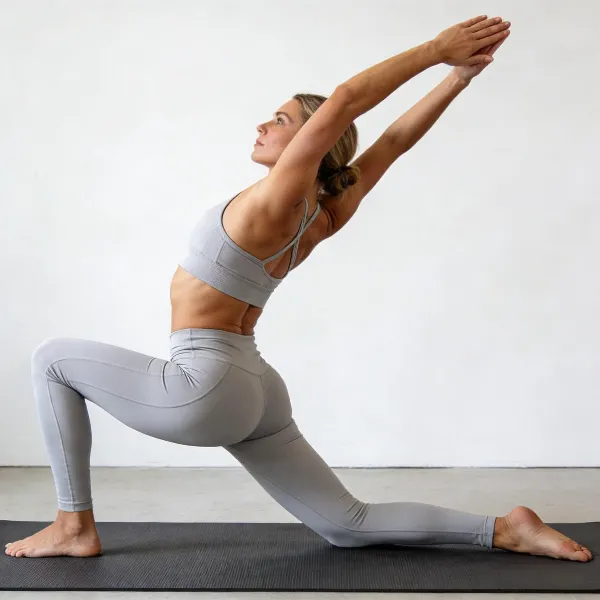
Stretching is one of the easiest and most effective ways to increase your flexibility. Whether you're trying to improve your posture, relieve muscle stiffness, or boost overall mobility, incorporating stretching into your routine is a great step. In this guide, we'll cover the best stretching exercises for flexibility, from basic movements to those targeting specific areas like your back, hips, and legs.
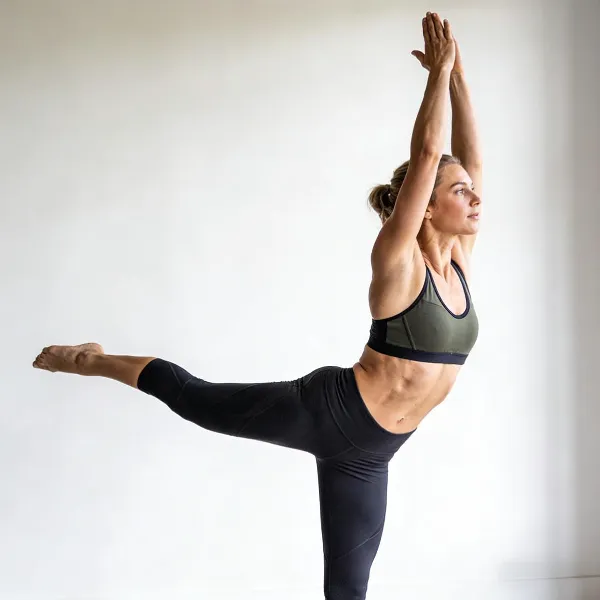
Best Stretching Exercises for Flexibility
There are numerous ways to improve flexibility, and the right stretches can help you achieve greater range of motion while reducing muscle tension. Here are some of the best stretches you can do to enhance flexibility in key areas:
Child's Pose
This relaxing pose targets your back, hips, and thighs. It's great for stretching your spine and relieving tension. Here's how to do it:
- Start by kneeling on the floor, then spread your knees apart.
- Lower your torso towards the ground, stretching your arms forward.
- Hold for 20-30 seconds, allowing your body to relax with each breath.
Child's pose is an excellent stretch to start or finish your stretching routine. It promotes calmness and can even help reduce stress.
Hamstring Stretch
Tight hamstrings can lead to back pain, so stretching them is important for your overall flexibility. Here's how to do it:
- Sit on the floor with one leg extended straight, and bend the other leg.
- Reach forward and try to touch your toes on the extended leg.
- Hold the stretch for 20-30 seconds, and then switch legs.
This is a great stretch for anyone who spends a lot of time sitting or those looking to improve their lower body flexibility.
Cat-Cow Stretch
The cat-cow stretch is a dynamic movement that loosens up the spine and helps improve flexibility in your back and shoulders. Here's how to perform it:
- Get on all fours, with your hands under your shoulders and knees under your hips.
- Inhale, arch your back, and look up (cow pose).
- Exhale, round your spine, and tuck your chin to your chest (cat pose).
- Repeat 10-15 times.
This stretch helps with spinal mobility and is a great way to warm up before a workout.
Hip Flexor Stretch
Since hip flexors can become tight after long periods of sitting, stretching them is essential. To perform the hip flexor stretch:
- Start in a lunge position with one foot forward and the other knee on the floor.
- Push your hips forward, keeping your back straight.
- Hold the stretch for 20-30 seconds, then switch legs.
This stretch is particularly helpful for people who sit at desks or drive for long hours.
Chest Openers
If you're prone to slouching or spending long hours at a computer, chest openers can improve posture and release tightness in your shoulders. Here's how to do it:
- Stand tall with your feet shoulder-width apart.
- Clasp your hands behind your back and straighten your arms.
- Lift your chest and squeeze your shoulder blades together.
- Hold for 20-30 seconds.
This stretch helps counteract the effects of hunched shoulders, improving your overall posture.
Top Stretches for Flexibility and Mobility
Targeting specific muscle groups is key for improving both flexibility and mobility. These stretches work on different areas of your body to keep you agile and free of tension.
Hips & Glutes Stretches
Stretching your hips and glutes is essential for maintaining flexibility in the lower body and reducing discomfort from long hours of sitting. Here are a few stretches you can try:
- Pigeon Pose: Sit with one leg extended straight and bend the other leg in front of you. This stretch targets the hips and glutes.
- Seated Forward Fold: Sit on the floor, reach for your toes, and feel the stretch through your hamstrings and hips.
These stretches help improve hip mobility and keep you feeling flexible in your lower body.
Leg Stretches
Leg stretches are crucial for keeping your legs flexible and reducing the risk of injury. These are two of the best leg stretches:
- Standing Quadriceps Stretch: Stand on one leg, and pull your opposite foot toward your glutes. This targets the front of your thighs.
- Calf Stretch: Stand with one foot behind the other and lean forward to stretch your calves.
Leg stretches help improve muscle flexibility, supporting everyday movements like walking and running.
Back/Spine Stretches
To relieve back pain and improve spinal flexibility, try these back stretches:
- Seated Spinal Twist: Sit with one leg extended, and twist your torso toward the bent leg. This stretches the spine and increases mobility.
- Cobra Pose: Lie on your stomach and press your chest up using your arms. This targets the lower back and helps lengthen the spine.
These stretches can help alleviate stiffness in your back and promote better posture.
Chest/Shoulder Stretches
Stretching your chest and shoulders is important for flexibility and overall upper body mobility. These two stretches are great:
- Doorway Stretch: Stand in a doorway, place your arms on the frame, and gently lean forward to stretch your chest.
- Overhead Shoulder Stretch: Reach one arm overhead and gently pull on your elbow to stretch your shoulders.
Chest and shoulder stretches help relieve tension and prevent discomfort from long hours spent at a desk.
Neck Stretches
Tight neck muscles are common due to stress or poor posture. Here's how to stretch your neck:
- Neck Tilt: Gently tilt your head toward each shoulder, holding for 10-15 seconds.
- Neck Rotation: Slowly turn your head from side to side, releasing tension in your neck muscles.
Neck stretches help ease discomfort and reduce tension headaches.
Tips for Effective Stretching to Improve Flexibility
To get the most out of your stretching routine, follow these tips:
Hold Stretches for 15–30 Seconds
When you hold a stretch for 15-30 seconds, your muscles can relax and elongate. This will help improve your flexibility over time. Avoid bouncing or jerking motions, as they can lead to injury.
Focus on Deep Breathing
Breathing deeply while stretching will help relax your body and improve flexibility. As you breathe in and out, try to deepen each stretch to increase its effectiveness.
Stretch Within a Comfortable Range
Don't push yourself too far when stretching. Stretching should feel like a gentle pull, not pain. If you feel pain, ease off the stretch to prevent injury.
Stretch 2–3 Times a Week
For the best results, aim to stretch 2-3 times a week. Consistency is key to improving flexibility, and over time, you'll see significant progress.
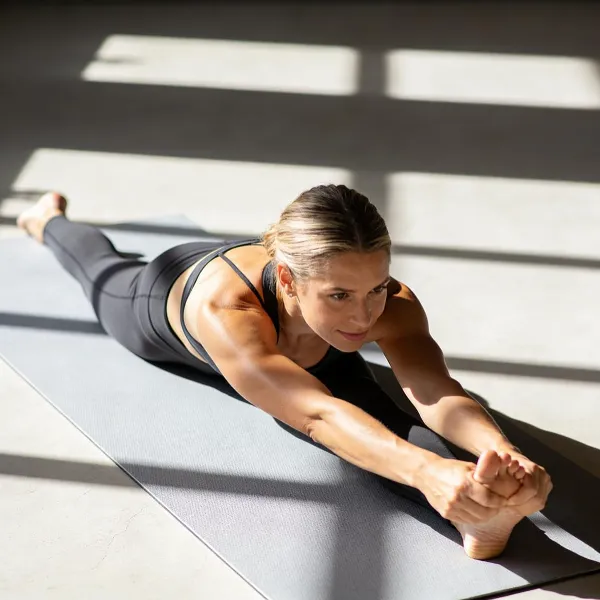
Stretching Safety and Common Mistakes to Avoid
To prevent injury, make sure you follow these safety guidelines when stretching:
Avoid Bouncing or Jerking Movements
Bouncing while stretching can strain your muscles and lead to injury. Always perform stretches in a slow and controlled manner.
Maintain Proper Form to Prevent Injury
Proper form is essential to avoid injury. For example, when stretching your back, be sure to maintain a neutral spine. For leg stretches, keep your knees soft to avoid strain.
Warm Up Before Stretching
Never stretch cold muscles. Take 5-10 minutes to warm up before stretching, whether with light cardio or dynamic stretches.
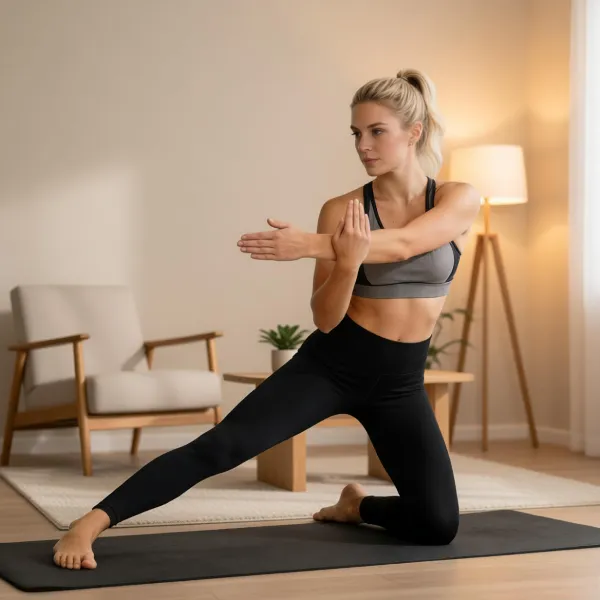
Best Times for Stretching for Flexibility
There are several ideal times to stretch for better flexibility:
After Exercise
Stretching after a workout helps your muscles cool down and prevents stiffness. Focus on the areas you’ve worked during the session.
In the Morning
Stretching in the morning helps relieve the stiffness that builds up overnight and prepares your body for the day ahead.
Before Bed
Stretching before bed can help relax your muscles and promote better sleep. It’s a great way to wind down and release tension from the day.
Conclusion
Incorporating the best stretching exercises for flexibility into your routine will help you feel more agile, reduce tension, and improve your overall movement. By practicing these stretches regularly, you'll not only increase flexibility but also reduce the risk of injury. Remember to stretch safely, breathe deeply, and stay consistent. Happy stretching!